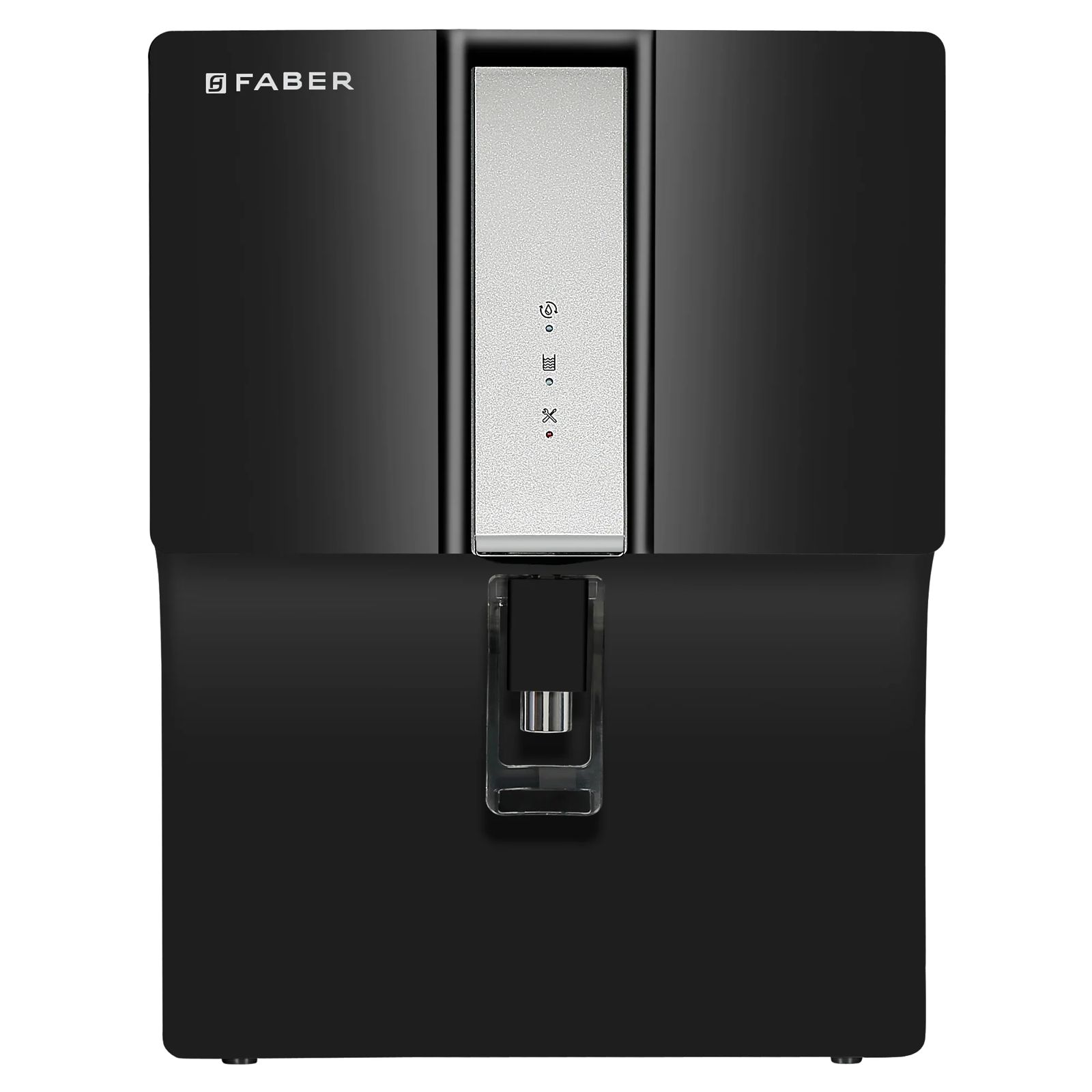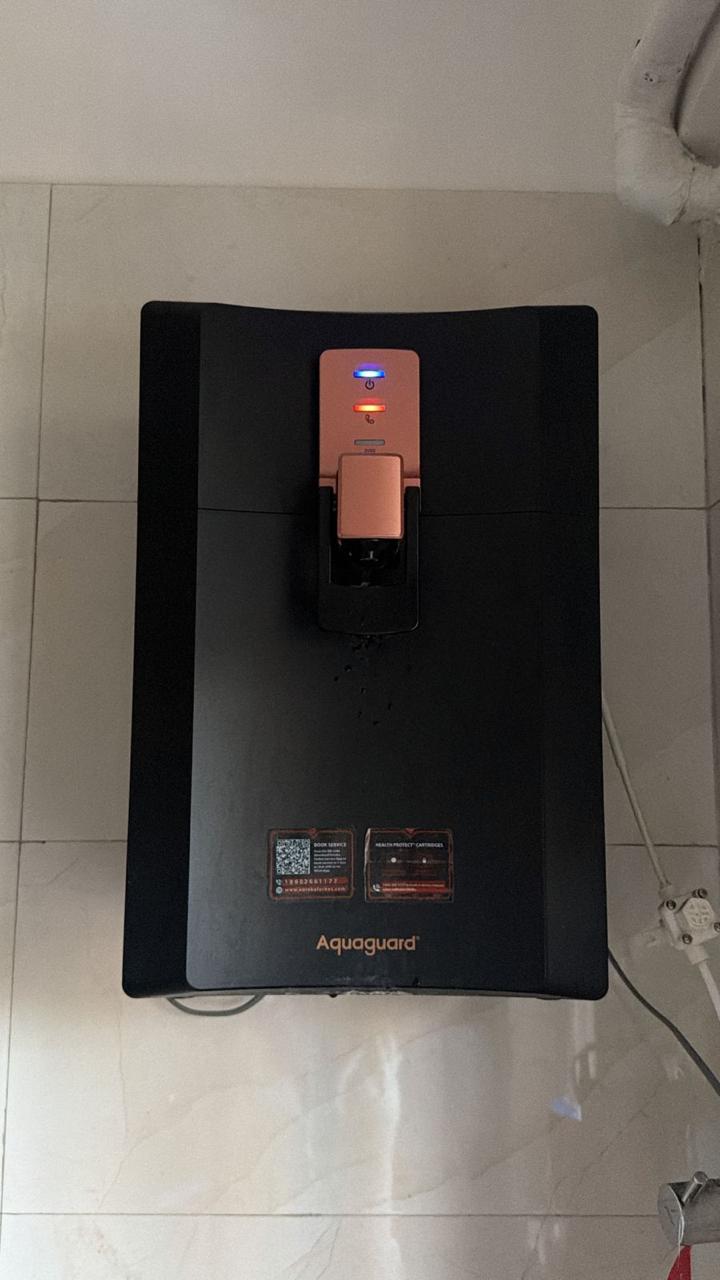
Why timing matters
RO purifiers handle sediment, chlorine, dissolved salts and microbial risk. Over time, filters clog, carbon loses effectiveness and the RO membrane works harder. A delayed service visit can lead to low flow, odd taste, leakage or unnecessary pump strain.
Recommended service rhythm
Homes with municipal water and moderate usage can often follow a 6 month check. Borewell, mixed-source or high-TDS water may need inspection closer to every 3 months. Offices and hostels should use a planned AMC schedule because daily load is higher.
Signs you should book service now
- Water tastes salty, bitter or stale
- Purifier takes much longer to fill the tank
- Water smells after storage
- Leakage appears near tubes or fittings
- Filter change indicator or digital display shows an alert
What we check during service
A clear look at the parts that decide taste, flow and hygiene.
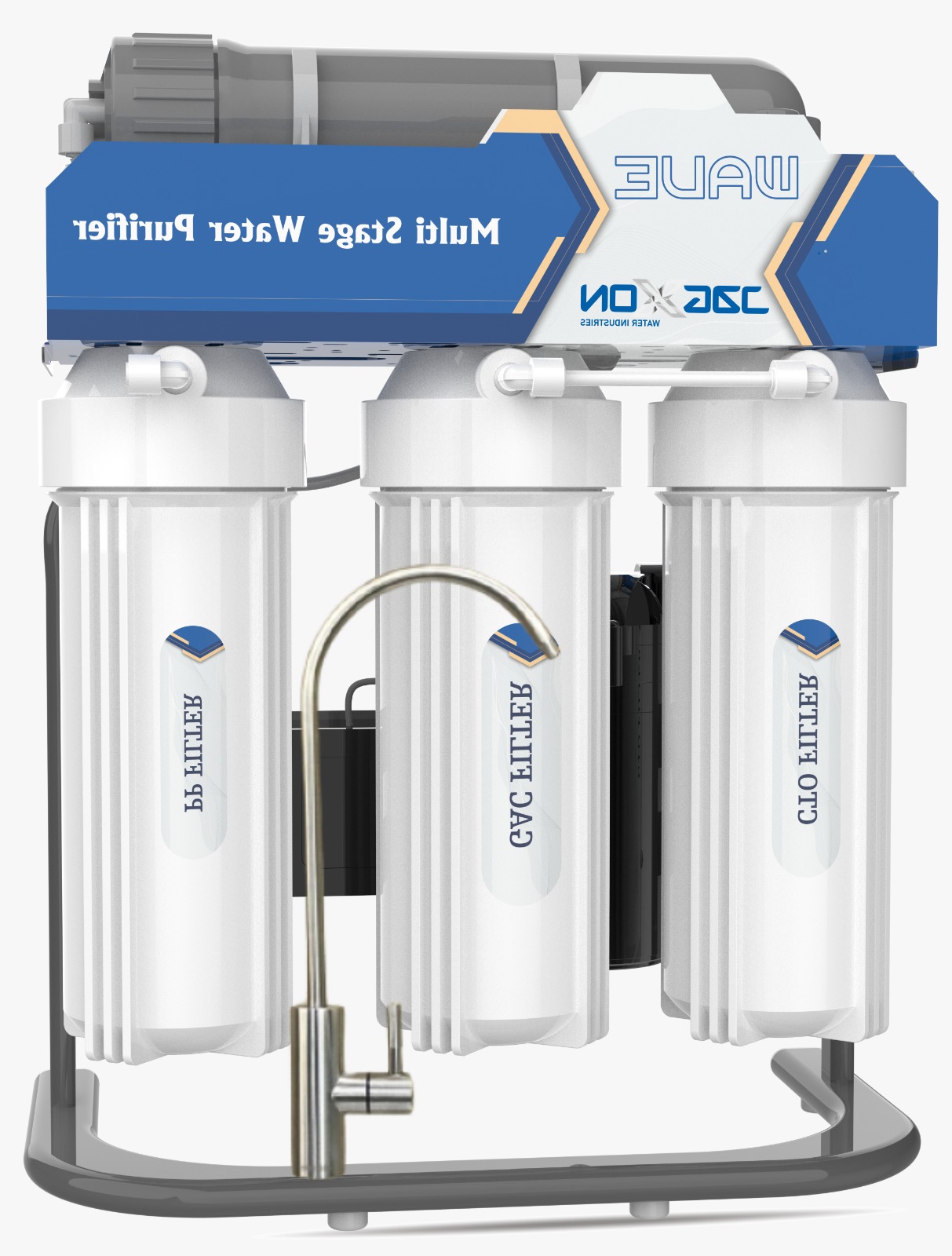
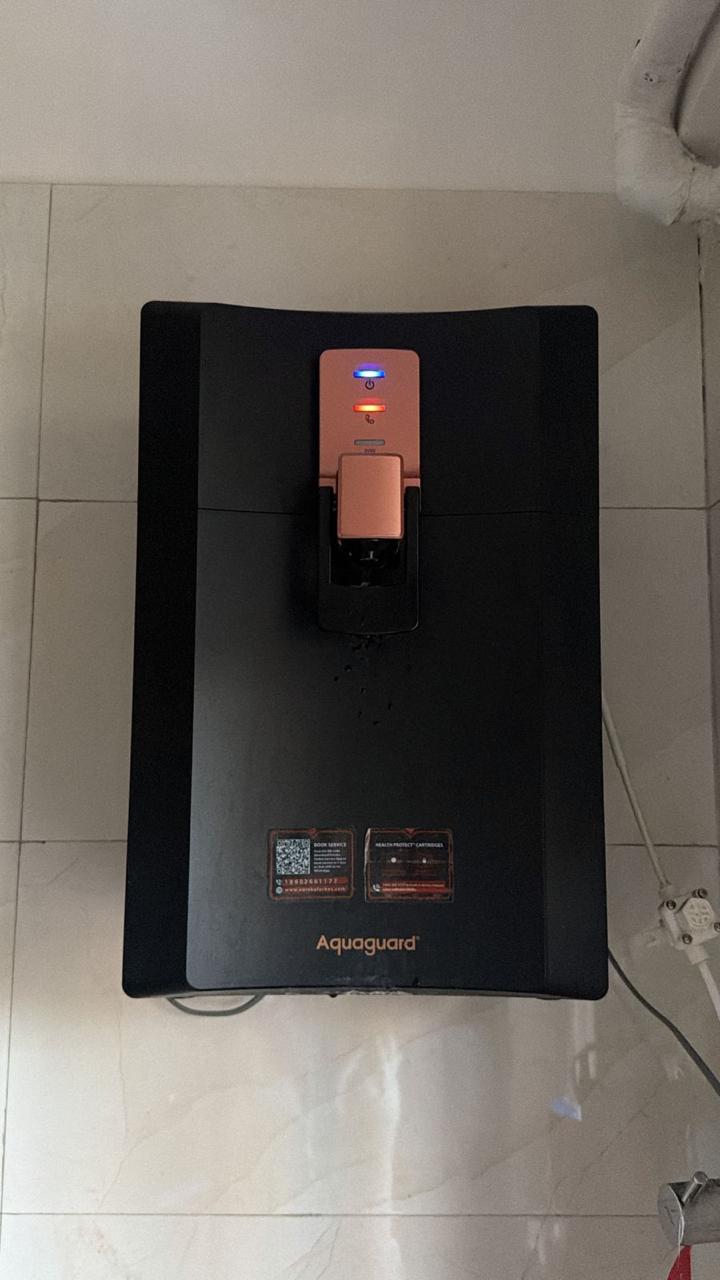
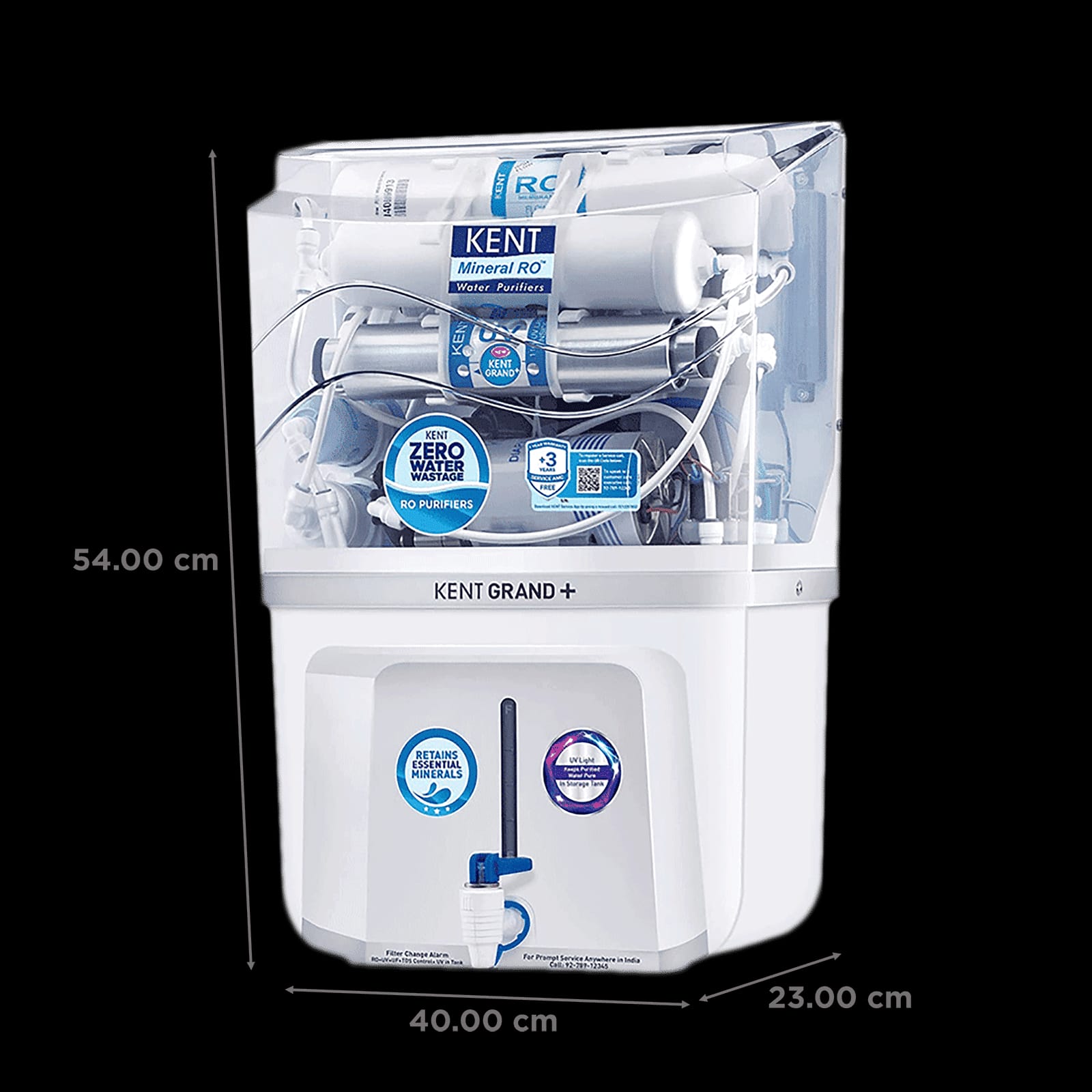
What a good service visit includes
A proper visit should include tank cleaning, pre-filter inspection, membrane and pump review, TDS check, leakage check and clear advice on what parts actually need replacement.
If your home has hard water or a commercial load, ask for an AMC plan so filter changes and hygiene visits stay on schedule before taste or flow drops.